
Carpet Cleaning
A Renter's Guide to Carpet Care (and How It Protects Your Security Deposit)
Whether you’re settling into a new apartment or preparing to move out, keeping your carpets clean isn't just about making your living space look nice—it’s an essential part of being a responsible tenant.
For renters, routine carpet care directly impacts whether you get your security deposit back. For property owners, clean carpets mean longer floor lifespans and better property preservation. Here is what every renter needs to know about maintaining carpets, fulfilling lease expectations, and preventing costly damage.
Why Routine Carpet Cleaning Matters
It’s easy to treat carpet like any other floor, but carpet fibers act like giant air filters. Over time, they trap dust, pet dander, dirt, and allergens.
-
For Renters: Neglecting carpets leads to stubborn stains, unpleasant odors, and permanent fiber matting. When move-out day arrives, heavily soiled carpets often result in deduction charges from your security deposit.
-
For Property Owners: Routine maintenance doubles or triples the lifespan of carpet flooring, avoiding the high expense of frequent turn-over replacements.
The Spectrum of Carpet Wear: Normal Wear & Tear vs. Tenant Damage
One of the biggest friction points between tenants and landlords is deciding who pays for carpet issues at move-out. Understanding the difference helps you protect your deposit.
| Normal Wear & Tear (Landlord's Responsibility) | Tenant Damage (Renter's Responsibility) |
| Minor fading from natural sunlight | Pet urine stains or strong lingering pet odors |
| Traffic lane darkening after years of normal use | Spills and food stains (wine, coffee, bleach, dye) |
| Slight fiber flattening in high-traffic areas | Burns, rips, or pulled carpet threads |
| Aging carpet padding reaching its natural end-of-life | Mold or mildew caused by unaddressed spills |
The Tenant's Routine Maintenance Checklist
To keep your rental's carpets in pristine condition and fulfill your lease obligations, follow this simple maintenance timeline:
1. Weekly: High-Traffic Vacuuming
Vacuum high-traffic areas (entryways, hallways, living rooms) at least 1–2 times a week. Vacuuming removes gritty abrasive soil before it gets ground deep into the carpet fibers and cuts the carpet strands.
2. Immediate: Spot & Spill Response
Never let a spill sit! The longer a liquid sits, the deeper it penetrates into the carpet backing and subfloor.
-
Blot, Don't Rub: Rubbing spreads the stain and damages the carpet fibers (causing "fuzzing"). Always blot gently with a clean white cloth or paper towel.
-
Work Outside-In: Start from the edges of the spill and work inward to prevent spreading.
3. Annually or Pre-Move-Out: Deep Steam Cleaning
Most residential leases require a professional carpet hot-water extraction (steam cleaning) every 12 months or at the end of the tenancy.
Pro Tip for Renters: Always save your professional carpet cleaning receipts! Send a copy to your landlord - to document that you're doing your part.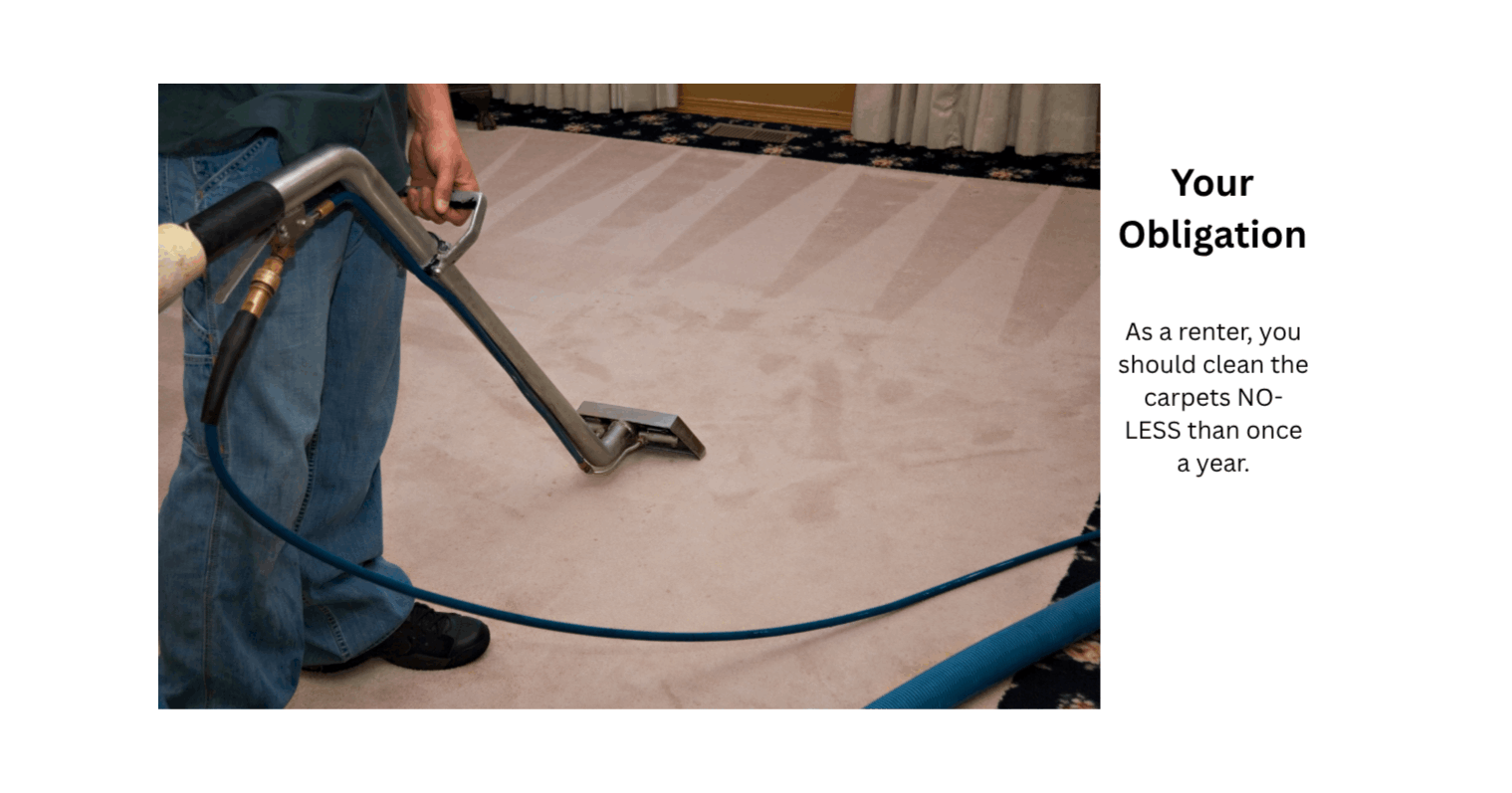
Quick Wins for Keeping Carpets Clean Longer
-
Implement a No-Shoes Policy: Up to 85% of dirt brought into a home is tracked in on the bottoms of shoes. A simple shoe rack by the front door preserves carpets significantly.
-
Use Entry Mats & Area Rugs: Place washable rugs over high-traffic carpet zones (like hallways or right in front of the couch).
-
Treat Pet Accidents Immediately: Standard carpet cleaners won't neutralize pet urine. Use an enzymatic cleaner specifically formulated to break down organic proteins and eliminate odors at the source.
The Bottom Line
A clean carpet creates a healthier, fresher home environment during your stay and ensures a seamless, stress-free move-out experience when it’s time to hand over the keys. Taking a proactive approach to routine care protects both your daily living space and your wallet.
Recent Posts

Yard Care

Air Filter | Routine Task with a Big Impact

Not Quite Ready to Buy? A Lease Option Could Be the Bridge

If illegal immigration causes a surge in housing costs - the opposite might be true on deportations.

A $2,200 Tax Debt and a Lost Home: What Property Owners Should Learn from the Supreme Court’s Latest Ruling
Rental Market Report |JUNE 2026

Renting vs. Buying: Which Path is Right for You?
Home Warranty | Is it worth having

Mold | Is it the Boogie Man?
GET MORE INFORMATION